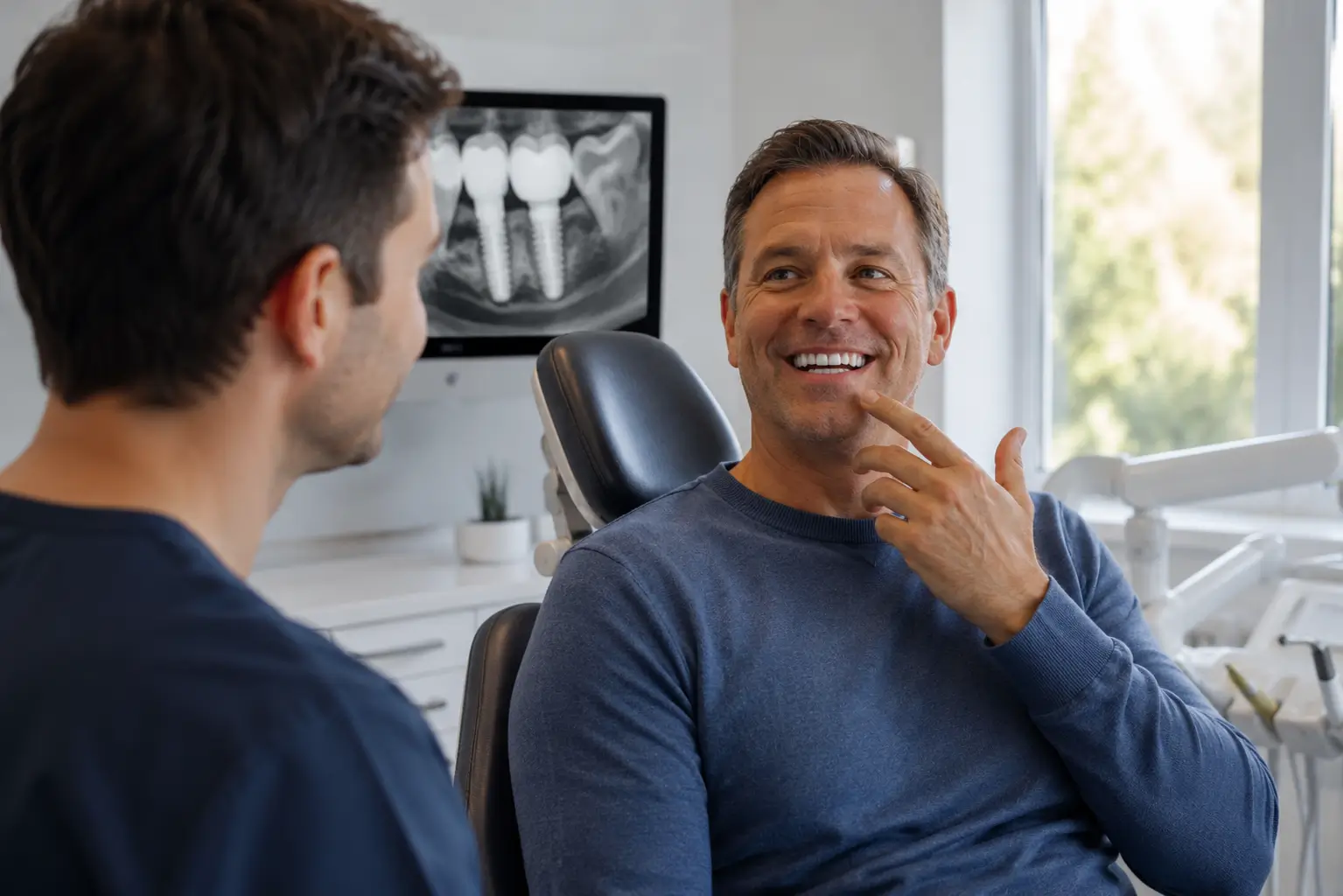
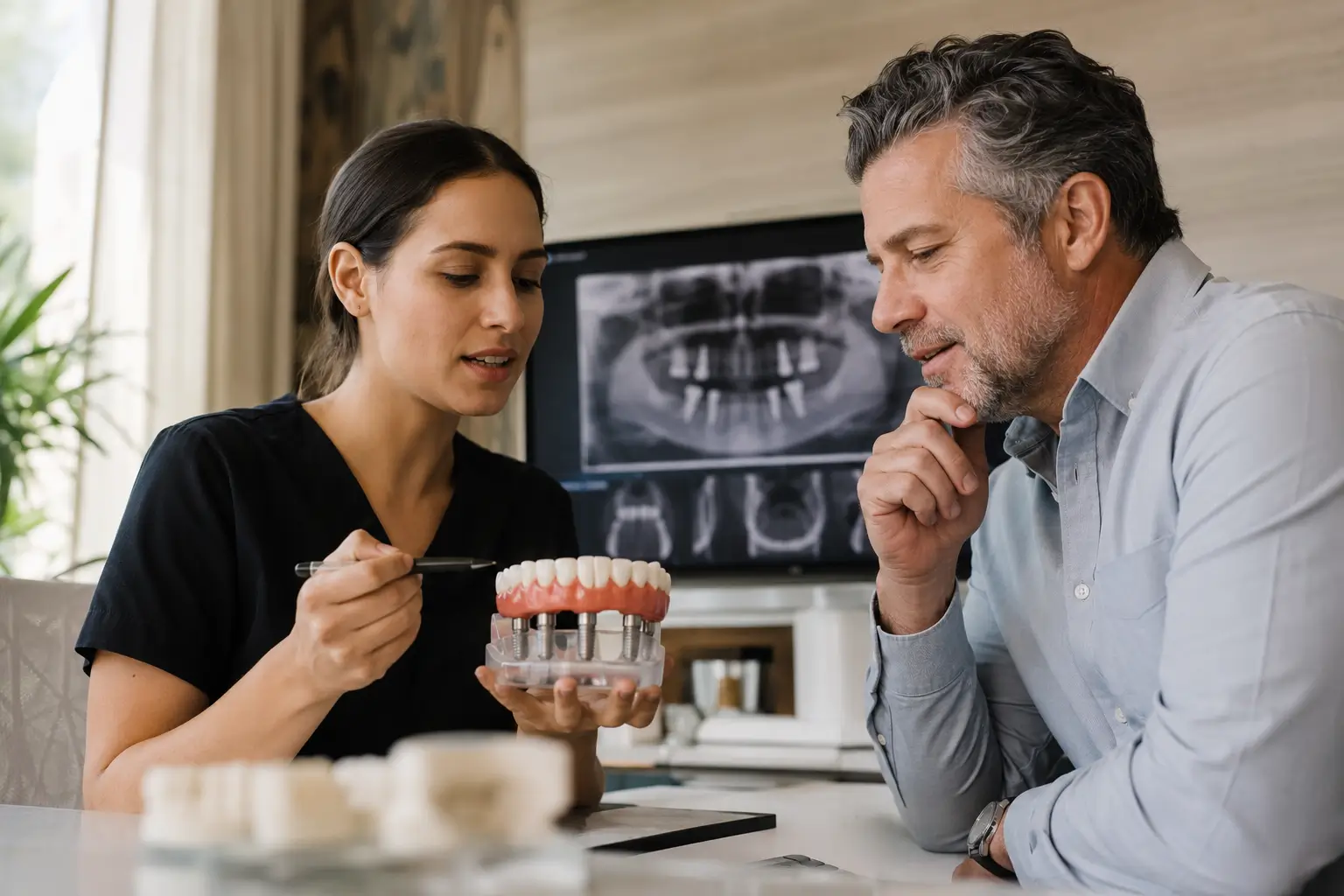
Dental Implants in Mexico vs. Costa Rica: How to Pick the Right Destination
Compare Mexico and Costa Rica for dental implants: costs, quality, travel tips, and how to choose.
By Globalcare Team28 min read
In this article
Forget the Country—Focus on These Three Decisions Instead
I've seen patients thrive in both Mexico and Costa Rica. I've also seen patients run into trouble in both places. The difference almost never comes down to which country they chose. It usually traces back to three decisions they made—or didn't make—before sending a deposit or booking a flight.
Choose your follow-up reality, not your fantasy. Be honest with yourself. If you'll sleep better knowing you can hop back quickly for a bite adjustment, a loose temporary, or a post-op check, Mexico's border cities like Tijuana and Los Algodones tend to suit that lifestyle. If you'd rather fly somewhere once, handle dental treatment and early recovery in a single destination near major airports like San José or Liberia, then Costa Rica often feels simpler once you arrive.
Only trust what's written and verifiable. A stunning website won't protect you when something goes wrong. An itemized PDF treatment plan will. Documented implant brands—whether that's Nobel Biocare, Straumann, Zimmer Biomet, or BioHorizons—will. Clinician license information and a clear warranty PDF will. When a clinic won't put the basics in writing, that tells you everything you need to know.
Budget for the trip count, not just the procedure. Dental implant procedures typically unfold in at least two phases. Your "savings" only hold up if you can absorb an extra night, a lab delay, or an unexpected follow-up visit without blowing your budget. The best plan is one that still works when life happens—not the one that looks cheapest in a screenshot.
If you take one action after reading this, make it this: ask every clinic for an itemized PDF quote and a written aftercare plan with a named contact.
Start With Your Travel Style, Then Pick Your Country
Those headline prices abroad can look almost too good to be true. Most of the time, though, the "catch" isn't the dentistry—it's the logistics. How many trips can you realistically make? How will you handle follow-ups? What happens if something needs adjusting after you get home?
The real decision isn't "Mexico vs. Costa Rica." It's a balance between two things: how much travel and aftercare effort you can manage (short, repeatable trips versus a longer planned stay) and how cost-sensitive you are once you factor in flights, hotels, time off work, and the possibility of an extra visit.
Before you dive into deep research, tackle two starter steps that prevent most bad comparisons. Get at least one clear, itemized quote—ideally as a PDF—for the procedure you actually need, not a headline price. And ask for proof of pricing, authenticity, credentials, and trip protocol before you pay a deposit. If a clinic can't document the basics clearly, move on.
Leaning toward Mexico and want to keep your search efficient? Starting with a shortlist of dental clinics already screened for professionalism, modern equipment, and English-speaking support can save hours. The Globalcare app is one practical way to move from browsing to organized comparison without losing track of quotes, credentials, and aftercare plans.
Which Destination Fits Your Dental Tourism Situation?
This table matches your travel style to the destination that typically works best. What matters most isn't the label—it's the verification question that cuts to your biggest risk.
| Mexico | Costa Rica | |
|---|---|---|
| Best for | Minimal-travel patients: You want short travel, flexible scheduling, and the option to return quickly—especially from U.S. border states like California, Arizona, or Texas. | Single-destination planners: You're comfortable flying and staying several nights, and you prefer to combine treatment and recovery in one coordinated trip. |
| Choose this when | Minimizing total travel time and having same-day or next-day access for follow-ups matters most to your peace of mind. | You can schedule a longer stay and want Costa Rican clinics that routinely coordinate care for international patients with airport-based logistics. |
| Key question to ask | "Can you give me a written aftercare plan with a named contact, response-time expectations, and a realistic follow-up option once I'm home?" | "Can you send the warranty PDF and a written breakdown of what's included (and not included), plus transportation details for a longer stay?" |
| Booking timeline | Often shorter planning windows. Some Mexican border clinics offer faster appointments, depending on season and case complexity. | Plan earlier to align direct flights, lodging, and the clinic's schedule—especially for full-arch cases. |
| Best next step | Quick outreach: Request an itemized PDF quote plus written aftercare plan. If the response is clear and fast, proceed to deeper due diligence. | Research first: Confirm inclusions, timeline, and warranty logistics before building your flight and hotel plan. |
Once you settle on the travel-and-aftercare style that fits, your research becomes dramatically simpler.
What Actually Drives Dental Implant Costs?
If you've Googled "average cost dental implant Mexico 2026" or similar, you've probably noticed wildly different numbers. That's because there's no single "Mexico price" or "Costa Rica price." Cost depends on your case, the clinic's protocol, lab and prosthesis choices, materials, and—most importantly—what the quote actually includes.
The ranges below reflect common advertised pricing for international patients. Your actual quote may be higher or lower depending on imaging findings, bone health, bone grafting needs, sedation preferences, and prosthetic design. Prices also shift based on clinic reputation, location, and case complexity.
| Mexico | Costa Rica | |
|---|---|---|
| Single implant | $800–$1,600 USD depending on city, materials, and clinic type | $900–$1,700 USD with overlap; airport-oriented areas can trend higher |
| All-on-4 / full-arch | $7,500–$14,000 with wide variation by region and inclusions | $8,000–$15,000 depending on lab work, materials, warranty terms, and inclusions |
| Full-mouth packages | Commonly offered; verify whether temporaries, finals, extractions, grafting, and sedation are included | Also common; verify whether final prosthetics are included or staged separately |
| Mini implants | $500–$900 per implant in some markets | Less commonly marketed; where offered, costs may be similar or slightly higher |
| Travel impact | Border clinics eliminate flights; costs shift to local transfers, parking, and short stays | Flight-based trips add predictable costs for lodging and airport transfers over multiple nights |
When two quotes look far apart, predictable factors usually explain the gap. Different prosthesis materials (zirconia versus acrylic hybrids), lab sourcing, and immediate-temporary approaches all change the price substantially. Major global implant brands—Nobel Biocare, Straumann, Zimmer Biomet, BioHorizons—often cost more, but they come with a practical advantage: easier sourcing of compatible parts down the road.
Some quotes exclude essentials like CBCT imaging or CT scans, extractions, bone grafting, sedation, temporaries, finals, or follow-ups. And remember: an extra night, a missed day of work, or an unplanned return trip can erode your cost savings fast.
Last updated: June 2026. These comparisons typically don't include home-to-airport transfers, personal spending, or unexpected longer stays if complications arise.
City-by-City Pricing Patterns in Mexico and Costa Rica
Within each country, pricing changes dramatically by city and clinic type. Here's what US patients and Canadian patients commonly report—and what those patterns typically mean in practice.
Guadalajara (including dental school or university-affiliated settings) sometimes advertises around $800–$1,100 per implant. These settings can offer lower prices, but timelines and materials vary. Ask who performs the procedure, who supervises, and how aftercare works once you leave.
Cancún (tourism-oriented private clinics) often runs $1,200–$1,600 per implant. Some clinics coordinate transfers and scheduling for travelers, but always confirm what the "package" actually covers.
Mexico City commonly lands around $1,000–$1,400 per implant, with wide spread based on implant system, surgeon training, sedation options, and lab quality.
Border cities like Ciudad Juárez and Los Algodones often market full-arch packages around $7,500–$12,000. Confirm whether that includes temporaries, finals, bone reduction if needed, sedation, post-op visits, and what happens if you need an adjustment after returning home.
Mini implants in border markets sometimes come in around $500–$900 per implant. Keep in mind that mini implants have different clinical indications than standard implants—they're typically used for specific situations like denture stabilization, not every case. Follow-up needs can also differ. Ask whether you'll need a second trip for prosthetic fitting.
Costa Rica (San José and Liberia clinic corridors) often overlaps with Mexico's higher-end ranges for single implants. Full-arch pricing reflects lab and prosthesis choices and what's bundled. Costa Rican dental clinics frequently market to North American patients seeking high-quality dental care at lower costs than the USA. If a clinic markets a "turnkey" experience, ask for a line-item list anyway so you can compare fairly.
The cost difference between similar dental work in El Paso versus Juárez can hit $1,000 or more. That savings only helps if you're comfortable with border logistics and can reliably access follow-up care on short notice.
How Travel Time Varies by Location
When budgeting for medical tourism, people usually underestimate time—not just money. Two trips can be manageable. Two trips with stressful travel and no buffer days is where things get risky.
The biggest hidden variable? The extra step: border crossings for Mexico border hubs versus international customs plus longer transfers for Costa Rica and Mexico flight destinations.
| Main hubs | Travel time factors | Travel cost factors | |
|---|---|---|---|
| Border clinics | Tijuana, Los Algodones | Short total travel for nearby U.S. cities; expect extra time for border checks and local transfers | Lower airfare if you're close; factor in parking, border wait-time buffers, and short local transfers |
| Coastal / flight hubs | Cancún and other flight destinations | Flight plus airport time plus local transfer; watch connection times and travel from resort areas to clinics | Airfare and lodging are main costs; seasonal spikes significantly affect total price |
| Costa Rica hubs | San José, Liberia | International flight plus customs plus ground transfers; plan for multi-night stays | Airfare plus several nights of lodging often make up the biggest non-clinic costs |
To paint a clearer picture: Southern California to Tijuana is often the fastest door-to-clinic option, but plan around border timing. Arizona to Los Algodones is typically straightforward, with seasonal crowding worth considering.
Texas (El Paso) to Ciudad Juárez can be extremely convenient for quick follow-ups if you're comfortable with border logistics. Major flight markets—Dallas, Chicago, New York, Toronto, Vancouver—to Cancún or San José are usually manageable in one travel day, but costs swing with seasonality, connection quality, and how many hotel nights you need.
Canadian dental tourists often find direct flights to both Mexico and Costa Rica from major cities.
The bottom line: if you want the option to pop back for a quick tweak, Mexico border clinics are hard to beat on convenience. If you prefer handling treatment and early recovery in one planned stay and you're comfortable flying, Costa Rica can feel more straightforward once you're there.
What to Request Before You Pay a Deposit
Whether you choose Mexico or Costa Rica, these four categories should be your non-negotiable filter before any money changes hands. The goal is simple: reduce hidden fees, unclear components, vague aftercare, and unrealistic scheduling by getting written proof upfront.
Dental Implant Prices: Get an Itemized Quote
Ask for an itemized quote as a downloadable PDF—not just a text message or casual email estimate. It should clearly state what's included for your case, because "implant cost" can mean completely different things at different clinics.
Look for line items covering consultation and imaging (especially CBCT), extractions if needed, bone grafting or sinus lift if needed (or clearly stated as "not included"), implant fixture plus abutment plus crown (or full-arch prosthesis components), temporaries versus finals and the final material, sedation or anesthesia if offered, and post-op checks including how many are included. If anything is marked "TBD," ask exactly what condition triggers the change—for example, "If CBCT shows bone loss beyond X, grafting is required at $___."
Authenticity: Verify Implant Brands and Components
This isn't about suspicion—it's about future-proofing. If you ever need a repair, replacement, or second opinion at home, you'll want to know exactly what system and components were placed.
Ask for written documentation including the implant system name (brand) and model, component identifiers (stickers or labels from packaging when available), and an implant passport or equivalent record if the clinic uses one.
Credentials: Confirm Who's Treating You
"Great dentist" isn't a document. Ask for the treating clinician's full name and license information (plus how to verify it), a downloadable warranty with coverage, exclusions, and claim steps, and a named aftercare contact plus expected response time.
For practical verification: Mexico patients can ask for the dentist's cédula profesional and verify it through Mexico's Registro Nacional de Profesionistas (SEP). Costa Rica patients can ask how to verify the provider through the Colegio de Cirujanos Dentistas de Costa Rica. The most important aftercare detail is straightforward: who do you contact, how fast do they respond, and what happens if they don't?
Trip Protocol: Get a Realistic Timeline
Your timeline should be written in a way a real person can plan around—work, caregiving, flights, and recovery. Ask for a schedule that includes which days are surgery days versus check days versus lab or prosthetic days, how long you should stay locally after surgery, what "normal" recovery looks like (and what's not normal), and what they do if there's swelling, pain, a bite issue, a loose temporary, or a lab delay.
Building Your True Total Budget
To compare Mexico versus Costa Rica honestly, you need your true total cost—not just the clinic number.
Build your budget in this order: clinic total from an itemized quote (noting what's included and excluded), travel and living costs (flight or gas, parking, lodging, transfers, meals), time costs (time off work, childcare, pet care, missed shifts), and a contingency buffer of 10–15% for extra nights, rescheduling, or unexpected follow-ups.
Then run a simple sensitivity check. Ask yourself: "What if I need one extra night?" and "What if I need one extra visit?" If either scenario would wipe out your savings, your plan is fragile.
A practical break-even rule: if the "savings" versus local care is smaller than the cost of one unplanned extra trip or one week of missed work, the deal may not be worth the stress—unless you have unusually flexible time and easy follow-up access.
On financing and deposits: ask when deposits are due, whether they're refundable, and what payment methods carry protections (cards sometimes offer dispute processes; some transfers don't). Also ask whether the quote changes if you split phases across trips, which is common with full-arch dental work.
Single Implants: Do the Math Carefully
For example, a single-implant quote of $900 at a border-city clinic, compared to your local quote of $2,200. On paper, that's a big gap. But add two drive days (or one drive plus one overnight), parking and local transport, time off work, and a realistic chance you'll need a quick bite adjustment—and true savings might shrink fast. Single implants can still make dental tourism worthwhile, especially near the border, but only if follow-ups are easy and you've built in buffer time.
All-on-4 Full Mouth Restoration: Compare the Full Picture
For All-on-4 (a protocol using four implants to support a full-arch prosthesis—similar approaches may use more implants depending on anatomy), you might see $12,000 in San José and $10,500 in a Mexico hub. The question isn't just about that $1,500 difference. It's whether each plan includes temporaries versus finals (and the final material), enough post-op check time on the ground, and a clear adjustment plan if the bite feels off.
If Costa Rica requires a longer stay but bundles more into a single coordinated timeline, the higher quote can sometimes be the lower-stress plan—especially if you live far from the border and would be flying either way.
Full-Arch Cases: Think Long-Term
Full-arch and full mouth cases are where long-term planning matters most. A common mistake is budgeting only for the main trips and forgetting that maintenance—and rare complications—exist.
Factor in trip count risk (if your plan is already tight, one extra visit becomes expensive and disruptive), component sourcing (if a part breaks years later, how easy is it to identify and source a compatible replacement?), and local support (will a U.S. dentist provide maintenance if you have complete documentation?). The best "deal" is the one that still works if life happens.
Create Your Patient Dossier Before You Travel
Whether you choose Mexico or Costa Rica, build your patient dossier before you go—and definitely before you pay major deposits. This isn't busywork. It's what makes warranty claims, repairs, and second opinions dramatically easier later.
Use the CARES checklist to remember what you need:
- C — Clinic quote and treatment plan (itemized PDF prevents surprise add-ons)
- A — Authenticity proof (implant system plus identifiers protects you if you need replacement parts later)
- R — Records (imaging, notes, post-op instructions make it easier for any dentist to understand your case)
- E — Evidence of payment and communication (receipts, invoices, key emails are critical if there's a dispute)
- S — Service terms (warranty plus aftercare contacts clarify coverage and claims)
How to Organize Your Records
Create one folder with subfolders: 01_Quotes-TreatmentPlans, 02_Imaging-CBCT-Xrays, 03_Implant-Labels-Serials, 04_Warranty-Aftercare, 05_Invoices-Receipts, 06_Photos-HealingTimeline, and 07_Emails-ChatLogs. Use consistent filenames like "2026-06-03_CancunSmile_ItemizedQuote.pdf" or "2026-06-04_ImplantPackaging_LabelPhoto.jpg." If you ever need help fast, organization makes all the difference.
How to Verify Implant Details and Serial Numbers
Not every manufacturer offers a public serial lookup, and verification methods vary by brand and region. But you can still protect yourself by building a clean audit trail: what system was used, what identifiers exist, and where they're documented.
What to Request from Your Dental Clinic
If the clinic offers an implant passport (or similar), request clear photos or scans showing the implant brand and system, any stickers or labels with model or lot identifiers, and documentation showing your name and treatment date so it's tied to you. Ask the clinic to send images in original quality (not heavily compressed) and save them to your implant labels folder.
Depending on the clinic and system, identifiers may appear on packaging labels (implant box or sterile pack stickers), invoices listing implant components, discharge papers or surgical notes, or implant passports. If your quote or invoice is missing component detail, ask them to add it before you leave.
A Script for Requesting Packaging Photos
Email subject: "Request for implant packaging identifiers for my medical records"
Message: "Hi [Clinic/Coordinator Name], for my medical records and warranty documentation, could you please send (1) a dated photo of the implant packaging labels or identifiers used for my case, and (2) any implant passport or component record you provide? If possible, please include a photo taken on the day of placement. Thank you."
If you take your own photos, capture them in good light, close enough to read the label, and immediately rename the file with the date. Most phones store timestamps automatically. Don't screenshot your photo if you're trying to preserve metadata.
Using Manufacturer Verification
Some manufacturers verify primarily through authorized channels rather than a consumer-facing portal. Your best starting points are asking the clinic which distributor supplies their implants and whether that distributor can confirm identifiers, contacting manufacturer customer support with the brand and identifiers you have, and saving proof of any confirmation as a PDF or screenshot in your dossier.
If a clinic refuses to provide basic identifiers ("we don't share that"), treat it as a serious red flag. You're not asking for trade secrets—you're asking for your medical records.
Understanding Warranties and Aftercare Terms
Warranties can help, but only when they're specific. The same word "warranty" can mean completely different coverage depending on what's included (implant fixture, abutment, prosthesis, lab work) and what's excluded (shipping, travel, third-party adjustments). Even excellent documentation and reputable clinics don't eliminate the possibility of complications—warranties help manage that risk, but they don't prevent it.
| Sample | Warranty Language | Common Exclusions | Negotiation Tips |
|---|---|---|---|
| Mexico | "Covers the implant body and prosthesis if damage or failure is verified within X years, with documented identifiers and compliance with aftercare." | Shipping costs, travel costs, late reporting windows, third-party dental work | Ask for a named contact, written escalation timeline, and clear rules on who pays shipping if a component must be replaced. |
| Costa Rica | "Repair or replacement subject to manufacturer confirmation and presentation of original component documentation." | Unauthorized local repairs, missed follow-ups, maintenance non-compliance, late claims | Confirm who manages international shipping and logistics, whether the clinic coordinates replacements, and what they need from you to start the process. |
Save the warranty PDF intact in your dossier. Vague coverage isn't a minor detail—it's a decision signal.
Planning Your Two-Phase Treatment Timeline
Many implant cases require at least two phases: surgical placement and final restoration after healing. Your exact schedule depends on your treatment plan, bone quality, grafting needs, and whether immediate temporaries are appropriate.
A Typical Two-Trip Schedule
Trip 1 (surgical phase): Arrive ideally one day early, have surgery, undergo post-op monitoring, and complete at least one follow-up check before departure. Plan for 2–5 days locally[2], with complex full-arch cases potentially requiring longer.
Healing at home: Commonly around 3–6 months. Your clinician should confirm the timeline based on your individual healing and bone integration.
Trip 2 (final restoration): Final prosthetic installation plus adjustments, often 2–4 days locally plus buffer time.
Two rules make timelines safer. First, buffer days are not optional—swelling, bite tweaks, and lab timing happen even in well-run clinics. Second, have an emergency plan. Know where you'll go locally if you have urgent symptoms after returning home.
Calendar Template
Copy this into your notes app, then share it with the clinic and update it every time dates change:
| Field | Date/Range | Notes |
|---|---|---|
| Arrival (local) | Arrive at least one day before surgery when possible | |
| Surgery day | Confirm start time, sedation plan, and ride-back instructions | |
| Post-op check(s) | Schedule at least one check before departure | |
| Buffer days | Extra time for swelling, bite tweaks, or lab delays | |
| Departure | Don't schedule tight connections immediately after surgery | |
| Healing window | Commonly 3–6 months[4] | Confirm what normal healing milestones look like; individual healing varies |
| Final restoration trip | Confirm number of visits, adjustment plan, and final material |
Calculating Your True Total Cost
When comparing Mexico versus Costa Rica, you're really comparing two things at once: the dentistry and the travel plan. A structured approach helps you compare both fairly so you're not mixing apples and oranges.
You'll need your home city (so travel assumptions are realistic), your procedure type and itemized clinic quote total, suggested nights away based on the clinic's written timeline, airfare or gas estimate plus local transfer costs, and a contingency percentage (often 10–15%).
A good estimate gives you an estimated true total cost, a travel and lodging breakdown showing where money actually goes, and a sensitivity view revealing what happens if you add an extra night or extra visit. Your best next step after running estimates: request written confirmation from clinics on whatever the math reveals as your biggest risk—often what's included, trip count, and aftercare response expectations.
What to Do When Recovery Doesn't Go as Expected
Most post-op issues are manageable when you act early, prioritize your health, and keep communication clear. If symptoms are urgent or severe—high fever, rapidly worsening swelling, pus or drainage, difficulty swallowing, or difficulty breathing—seek local emergency care first, then contact the clinic.
Escalation Chain
Use a clear escalation path and attach documentation early. Start with your aftercare coordinator the same day you notice the issue. If there's no useful response within 24–48 business hours, escalate to the clinic manager or director. For warranty-covered or prosthetic-related issues, contact your warranty contact. When identifiers or components are involved and the clinic isn't resolving it, reach out to the manufacturer or distributor.
Keep email subject lines factual: "Post-op concern: swelling/pain increasing since [date], request instructions today" or "Bite issue/temporary movement after procedure on [date], request appointment options" or "Warranty request: component/prosthesis issue, identifiers attached."
If an insurer, credit-card dispute process, or mediator ever becomes relevant, you'll need a clean record trail. Keep everything in writing and save it to your dossier.
Building a Claim Packet
A good claim packet is short, organized, and evidence-based. Include a one-page cover summary (what happened, when it started, current symptoms, and what you're requesting), a timeline as a dated bullet list of events (procedure date, symptom onset, contacts made), proof (photos, receipts, relevant messages as PDF exports when possible), and identifiers (implant or prosthesis documentation including labels, implant passport images, any verification emails). Use PDFs for documents and JPG or PNG for images, with dated filenames so the timeline is obvious.
How to Spot Reputable Clinics
Websites, social media, and before-and-after photos can be interesting, but they're not proof. The most reliable trust signal is how a clinic handles documentation and transparency when you actually ask for it.
To make your decision repeatable and less emotional, try a simple scoring method. Rate each clinic 0–2 on quote clarity (itemized PDF, inclusions and exclusions, minimal "TBD"), authenticity proof (implant system documented, identifiers available, cooperative about records), credentials plus warranty (verifiable license info, downloadable warranty, clear claims steps), aftercare responsiveness (named contact, realistic response times, written escalation path), and timeline realism (written trip plan with buffer guidance and complication protocol).
Clinics that consistently score 8–10 are typically the ones you can plan around with confidence. Those below 7 usually have avoidable gaps that become painful later—especially if you need follow-up support.
Trust Signals That Matter
Look for fast, clear delivery of an itemized quote PDF, willingness to document the implant system and identifiers for your records, a warranty that names what's covered (fixture versus prosthesis) and how claims work, and a real aftercare plan with names, response expectations, and escalation steps. Top clinics also maintain sterilization protocols that meet international standards and can document their processes when asked.
Warning Signs
Be wary of vague "world-class" claims without documentation, unverifiable awards or badges that don't link to official criteria, and testimonials that don't show what was done, by whom, and what aftercare looked like.
Quick disqualifier rule: if a clinic won't provide basic written documentation—quote, warranty, credentials, identifiers—don't argue. Move on.
If you've decided Mexico is the better fit, one way to reduce guesswork is starting with a curated pool of clinics vetted before they're presented as options, then evaluating them using the same standards you'd use anywhere.
Globalcare's role is simplifying that early phase: connecting you to a verified network in Mexico with transparent clinic details (photos, reviews, credentials, before-and-after examples where available), bilingual communication, and practical support as you coordinate your plan across cities including Cancún, Los Cabos, Los Algodones, Puerto Vallarta, Playa del Carmen, Guadalajara, Mexico City, Querétaro, Monterrey, Ciudad Juárez, and Mérida.
City-Specific Planning Tips
If you're leaning toward a specific destination, city-level planning helps you anticipate patient volume, scheduling pressure, and follow-up logistics.
Tijuana
Tijuana is one of the most common hubs for US patients who want quick access and easy follow-ups. The big planning variable is border timing. Build buffer around weekends and U.S. holidays, and ask your clinic how they handle quick post-op checks if you have to cross back sooner than expected.
Los Algodones
Los Algodones ("Molar City") is known for high clinic density and competitive pricing. It can also get extremely busy during snowbird season when patients arrive from the US and Canada in large numbers. If you're planning a larger case, ask about lab turnaround times and how they schedule adjustments when patient volume spikes.
Cancún
Cancún's strong tourism infrastructure can make travel feel easy—but tourism also drives seasonal price changes and availability. Confirm clinic hours, transfer timing from hotel zones, and whether your plan includes enough buffer days in case the lab needs extra time.
San José, Costa Rica
San José is a common entry point for Costa Rica treatment plans. The key questions center on coordination and continuity: how airport transfers work, how long you should stay locally after each phase, and what the clinic's process is for supporting international patients once they're back home. Many patients report a positive experience when clinics handle logistics proactively.
Ready to Compare Pre-Screened Clinics?
If Mexico is on your shortlist, the Globalcare app is designed for exactly this comparison stage: evaluate pre-screened clinics, request detailed free quotes, and chat directly to confirm documentation before committing.
Explore the Globalcare app to take the next step. Every clinic is personally vetted through Globalcare's Clinic Selection Process before joining the network. Within the app, you can filter and discover clinics by treatment type, location, and preferences. You'll see transparent, real-time pricing and verified clinic details—including photos, reviews, and procedure costs—all in one place. Chat directly with clinics to request multiple free quotes, ask questions, and clarify treatment plans before booking.
Prefer to start with the brand-level overview first? Visit getglobalcare.com to learn how the service works, then use the app when you're ready to compare specific clinics and timelines.
Your Next Steps
Request itemized, signed quotes that meet the standards outlined above. Start your patient dossier now—before flights and deposits. Score clinics on documentation and responsiveness, then focus follow-up questions on the lowest-scoring category.
Frequently Asked Questions
Are dental implants safe abroad?
Strong documentation—credentials, a clear treatment plan, traceable implant system information, and a written warranty—can help reduce risk, but no checklist eliminates it completely. Complications can occur even with reputable clinics and thorough documentation. Clinics that document clearly and respond consistently are generally safer to plan around than those relying on vague promises. Before pursuing dental treatment abroad, consider whether you have realistic access to follow-up care, how you'd handle an unexpected complication, and whether your overall health makes you a good candidate.
Who might not be a good candidate for dental tourism?
Dental tourism may not be ideal for everyone. Factors that could complicate treatment or make local dental care preferable include poorly controlled chronic conditions (such as uncontrolled diabetes), active smoking (which can impair healing and increase implant failure risk), certain medications that affect bone metabolism (such as bisphosphonates), complex medical histories requiring close coordination with other healthcare providers, or limited ability to return for follow-up care. A thorough evaluation by a qualified provider—ideally including imaging—should happen before committing to treatment abroad.
How do I estimate my true total cost?
Start with the itemized clinic quote, then add travel, lodging, local transportation, meals, and time off work, plus a 10–15% buffer. Then run a sensitivity check: if one extra night or extra visit wipes out savings, your plan carries higher risk unless you have flexible time and easy follow-up access.
How can I confirm my implant's brand and serial number?
Request written documentation of the implant system and any identifiers available, plus packaging label photos when possible. Save everything in your dossier. If the manufacturer doesn't provide a public lookup, ask the clinic which distributor supplies their implants and whether the manufacturer or distributor can confirm identifiers based on what you have.
What if I have a complication after returning home?
If symptoms are urgent or severe, seek local care first—don't wait for the clinic abroad to respond. Then contact the clinic in writing with photos and a clear summary, and escalate if needed (aftercare contact → clinic manager/director → warranty contact → manufacturer/distributor). Build a simple claim packet so the clinic can act quickly without back-and-forth. Having a local dentist willing to provide follow-up care is an important part of your planning, especially for complex cases. Keep in mind that pursuing legal claims internationally is generally more difficult and expensive than domestic malpractice claims, which makes thorough upfront verification and documentation especially important.
How many trips do I need for All-on-4?
Many patients plan two phases: an initial surgical trip (often several days locally, sometimes closer to a week for full-arch cases) and a final restoration trip after a healing period commonly around 3–6 months, though individual healing varies. Some protocols may differ. Use the calendar template above, add buffer days, then ask the clinic to confirm the schedule in writing based on your specific situation.
How do I check a foreign dentist's license?
Ask for the clinician's full name and license number, plus the clinic's instructions or link for verification. For warranty terms, request a downloadable PDF that lists coverage, exclusions, and claim steps. Treat verbal assurances as incomplete until they're documented.
What are my alternatives to dental implants?
Depending on your situation, alternatives may include traditional bridges (which don't require implant surgery but involve preparing adjacent teeth), removable partial or full dentures, or in some cases, restoring existing teeth rather than extracting them. A qualified dentist can help you weigh the pros and cons of each option based on your oral health, budget, and preferences.
Do clinics offer virtual consultations before I travel?
Many top clinics in both Mexico and Costa Rica offer virtual consultations as a first step. This allows you to discuss your case, review preliminary treatment options, and ask questions before committing to travel. Ask whether the consultation includes a review of any X-rays or photos you can share in advance, and whether the quoted price will change after an in-person exam.
References & Sources
-
1
Sani Dental Group. (2026). All On 4 Dental Implants In Mexico Cost Care And Full Arch Solutions. Sani Dental Group.
https://sanidentalgroup.com/blog/all-on-4-dental-implants-in-mexico-cost-care-and-full-arch-solutionsAccessed: 2026-06-01
-
2
Caldera Dental Group | Your partners in oral health. (2026). How Long Is the Recovery Time for a Full. Caldera Dental Group | Your partners in oral health.
https://calderadentalgroup.com/how-long-is-the-recovery-time-for-a-full-arch-dental-implant-procedure/Accessed: 2026-06-01
-
3
Aspendental. (n.d.). Dental Implants Recovery and Healing. Aspendental.
https://www.aspendental.com/dental-care-resources/dental-implants-recovery-and-healing/Accessed: 2026-06-01
-
4
Tri Le. (2022). How Long Does it Take to Recover from Dental Implant Surgery? Factors That Impact Healing. Bunker Hill Dentistry.
https://www.bunkerhilldentistry.com/2022/03/28/dental-implants-healing/Accessed: 2026-06-01
Our Editorial Standards
Globalcare is committed to providing accurate, well-researched health and dental information. Our editorial team reviews all content for accuracy and relies on reputable sources including medical organizations, governmental health agencies, academic institutions, peer-reviewed journals, and established healthcare providers. All references are verified for accessibility and relevance at the time of publication.
We strive for accuracy in everything we publish, but we recognize that mistakes can occur and information can become outdated as medical guidelines, pricing, and regulations evolve. If you notice an error or outdated information, please contact us so we can review and update our content.
Important Disclaimer
The information provided on this website is for general informational and educational purposes only. It is not intended as, and should not be interpreted as, professional medical, dental, legal, or financial advice. Always consult with qualified healthcare professionals, licensed practitioners, or appropriate advisors before making decisions about your health, dental care, finances, or legal matters. Globalcare does not assume liability for actions taken based on the information presented on this site.